
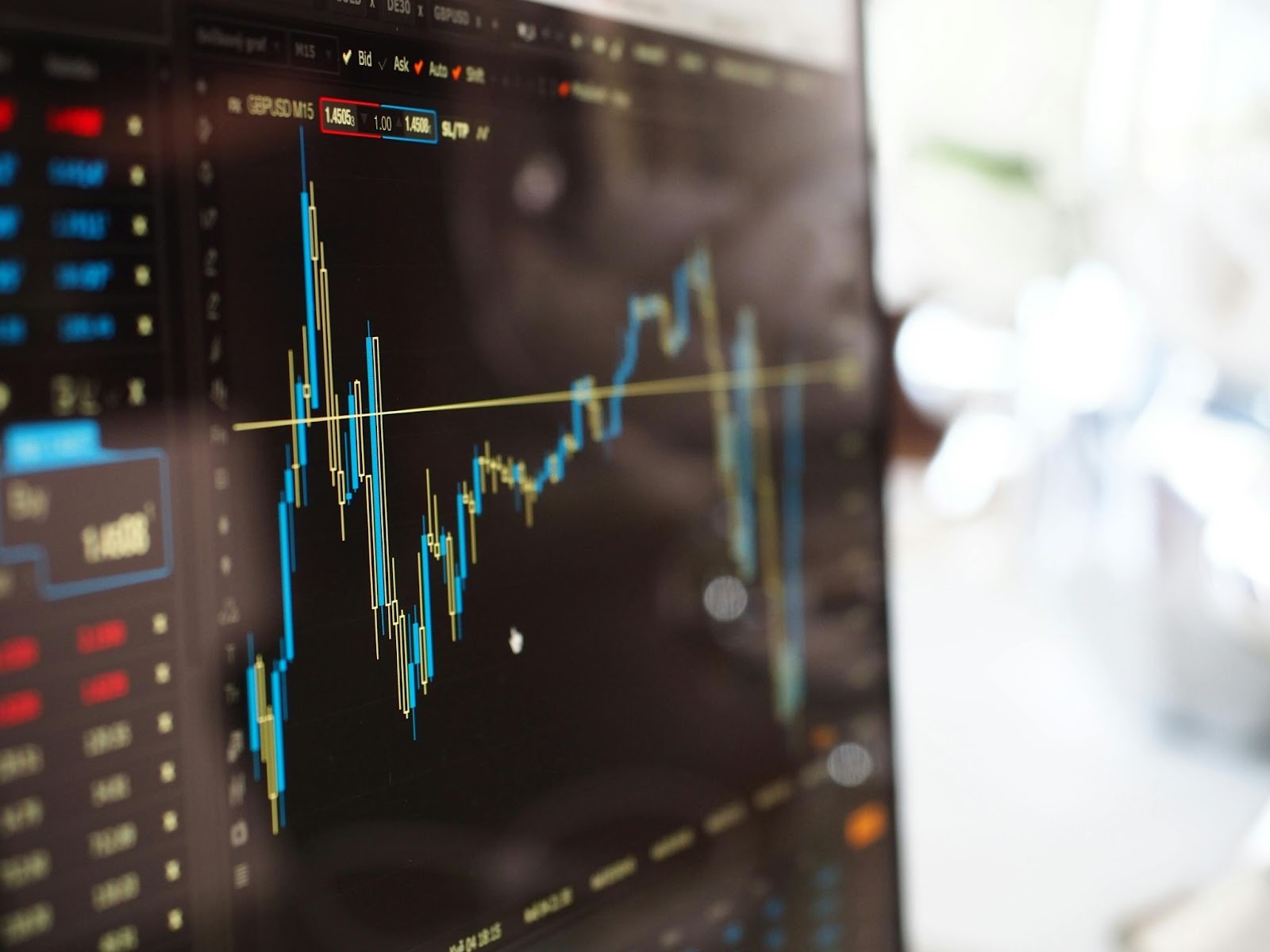
Trading used to be about gut feelings and reading charts. Traders sat at desks watching screens, trying to spot patterns that meant prices would go up or down.
That world exists still but machines can now do what took humans years to learn, except in milliseconds.
Speed matters more than people admit
Algorithms process information faster than any human could. News breaks about a company and the algorithm reads it, makes trading decisions before most people see the headline even.
This speed advantage matters because markets move on information and whoever acts first usually wins, though not always.
The thing is speed alone doesn’t guarantee anything really. Plenty of fast algorithms lose money making bad decisions quickly, which seems almost worse than making bad decisions slowly if you think about it.
What actually matters is whether the machine learned useful patterns from whatever data it studied. That’s a different problem that gets talked about way less.
Investment banks and hedge funds used this stuff first because they could afford it and hire the PhDs to build it.
That advantage is shrinking. AI stock trading tools became available to regular people who don’t have millions or computer science degrees. The playing field isn’t level but it’s less tilted than before maybe.
Patterns nobody would think to look for
Humans spot patterns in data but there’s limits to how many things someone can track at once.
Maybe five or six factors if they’re really sharp. Machine learning models track hundreds of variables at the same time, find relationships that nobody would think to look for in the first place.
Oil prices, weather in Asia, social media sentiment, shipping container volumes, all getting analyzed together to predict where a stock goes.
Some patterns make sense when explained. Others don’t make logical sense but work anyway, which creates this uncomfortable thing where traders use algorithms that work but can’t explain why they work.
Regulators aren’t thrilled about this, traders aren’t either honestly. The profits are real though so everyone keeps using them.
Risk got complicated
Traditional risk management had rules like don’t put more than 5% in one stock or sell if it drops 10%.
Basic stuff that works okay. Machine learning models adjust risk based on current conditions though, volatility patterns, correlation between assets, tons of factors changing every minute.
The algorithms detect when markets behave unusually too. Flash crashes, weird volatility spikes, strange trading volumes. Machines spot these faster than humans can and pull back before losses mount.
Sometimes the machines themselves cause the problems they’re detecting though, happened a few times already and probably happens again eventually.
Machine learning models learn from historical data, they’re really good at finding patterns that existed before. Markets change though.
What worked stops working and models don’t always adapt fast enough, which creates situations where an algorithm was profitable for two years then suddenly loses money because dynamics shifted.
Conclusion
More trading shifts to machine learning systems because the advantages are too big to ignore, that much seems certain. Humans stay involved but mostly oversight roles, deciding strategy while machines execute.
The question isn’t whether this continues, it’s how fast and what breaks along the way.
Markets might get more efficient as machines eliminate obvious mispricings. Or they get more unstable as algorithms interact in ways nobody predicted.
Probably both depending on conditions, which means trading stays risky even with all this technology. The tools changed but uncertainty didn’t really go anywhere when you think about it.
The post AI in finance: how machine learning is transforming trading appeared first on Invezz