
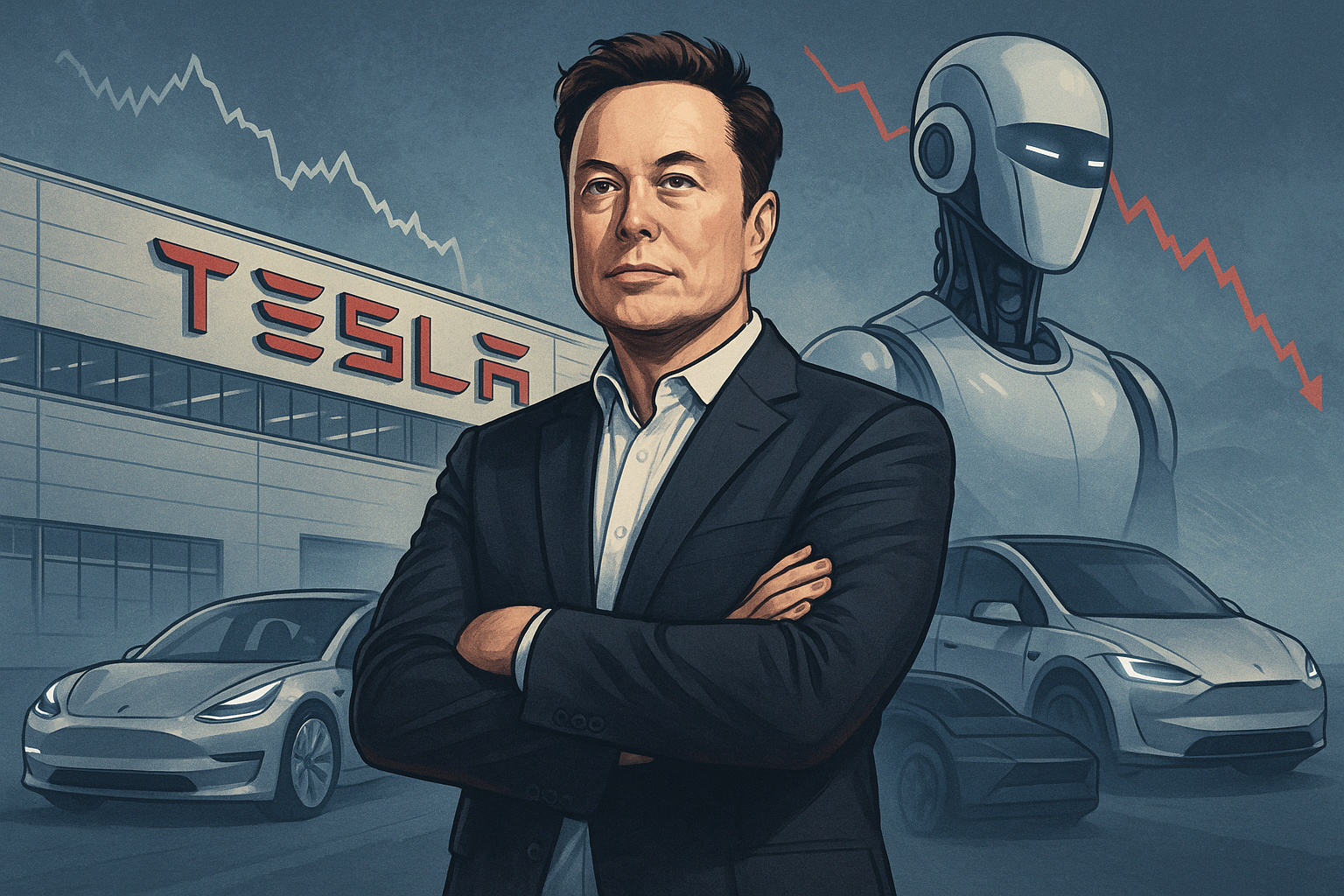
Tesla stock traded higher on Monday, rising about 1% to around $449, even as the electric-vehicle maker faced renewed legal scrutiny over the design of its door handles.
The stock’s modest gains came despite the filing of a new class-action lawsuit in Florida that alleges Tesla’s electronically powered, flush-mounted door handles are defective and pose safety risks.
The lawsuit adds to a growing list of legal and regulatory challenges tied to one of the automaker’s most distinctive design features.
Class-action lawsuit targets Tesla door handles
The lawsuit was filed on Friday by John Urban, a Tesla owner based in Maitland, Florida, on behalf of consumers who purchased or leased a 2014–2016 Model S sedan.
The complaint alleges that the flush door handles, which automatically extend when a driver approaches the vehicle, “routinely fail” after only a few years of use.
According to the filing, these failures can leave owners unable to enter their vehicles and may create a “significant safety risk” by potentially locking occupants out during emergency situations.
The complaint states that three out of four door handles on Urban’s 2015 Model S “Ludicrous” variant had failed by 2022, including the driver’s side handle.
As a result, Urban was allegedly forced to climb into the car from the passenger side while waiting for repairs.
The lawsuit claims Tesla “knew or should have known” about the alleged defect.
It points to the company’s decision to redesign the door handles on post-2016 Model S vehicles, arguing that newer versions are more reliable and that recent models rarely experience the same failures.
The latest lawsuit is part of a broader pattern of legal action involving Tesla’s door handle design.
Tesla was among the first automakers to popularise electronically powered handles that sit flush with the body of the car, a feature that was heavily marketed as a futuristic and premium element of its early vehicles.
However, several lawsuits have alleged that these handles can become inoperable when a vehicle’s low-voltage battery fails, potentially trapping occupants inside during emergencies.
Tesla is also under investigation by the National Highway Traffic Safety Administration after reports that some Model Y owners were unable to open doors when their children were trapped inside.
While Tesla vehicles include manual door releases, critics argue these can be difficult to locate or operate during high-stress situations.
Investors focus on AI ambitions
Despite the legal headwinds, Tesla shares have remained resilient, reflecting investor focus on the company’s longer-term ambitions beyond its core electric-vehicle business.
This year is widely seen as pivotal for Tesla as it pushes deeper into what Elon Musk has described as “physical AI,” including humanoid robots and autonomous robo-taxis.
Musk controls a constellation of companies, including Tesla, privately held SpaceX, and xAI, which develops AI models and operates the Grok chatbot on X.
Tesla, valued at roughly $1.5 trillion, remains the only publicly traded entity in the group, while SpaceX has been valued privately at around $800 billion and is expected to pursue an initial public offering in 2026. xAI has been valued at about $200 billion.
Investors have long speculated about whether Musk might one day consolidate parts of his business empire more closely, creating deeper operational or technological ties among his companies.
While no such move has been announced, the possibility has gained more attention as Tesla emphasises AI-driven growth alongside its electric-vehicle lineup.
The post Tesla stock climbs around 1%: why is it bucking the general trend today appeared first on Invezz