
On Monday, BHP was denied permission to appeal a London court verdict that found the mining company accountable for the 2015 dam collapse in southeastern Brazil, a claim that may eventually be worth tens of billions of pounds.
According to Reuters, the decision upholds a November High Court ruling that declared BHP legally accountable for the breakdown of the Fundao dam in Mariana, one of Brazil’s biggest environmental disasters.
The dam was owned and operated by Samarco, a BHP-Vale joint venture.
The High Court’s decision represented a significant milestone in a case that has grown to become one of the largest civil actions ever heard in the English legal system, involving hundreds of thousands of claimants as well as a diverse spectrum of governmental and corporate institutions from Brazil.
BHP has sought permission to dispute the verdict, but was denied at this time. The High Court refused the application; the firm cannot file an appeal using that court’s ordinary channels.
Next steps at the court of appeal
Despite the loss, BHP indicated that it will not give up its legal fight. The corporation stated that it would seek to take its challenge directly to the Court of Appeal, despite the High Court’s denial.
“We will take our appeal to the Court of Appeal,” a BHP representative stated.
BHP will continue to vigorously defend the remaining phases of this action in parallel. Brazil is the most appropriate location for providing full and fair reparation to those affected.
The appeal question is being considered alongside preparations for the next round of the litigation, which will focus on the amount of damages to be granted if the plaintiffs win.
A case of unprecedented scale
The claimants’ lawyers labelled the action as one of the largest in English legal history.
They previously estimated the overall claims at up to 36 billion pounds, or around $48.26 billion, indicating the scope of the alleged injury and the number of people and organisations involved.
Following their initial success on culpability, the claimants’ legal teams sought roughly £200 million in legal expenses.
The figures involved highlight the financial stakes for BHP as the case progresses to the damages phase.
The initial stage of the proceedings focused on evaluating whether BHP might be held legally accountable for the dam collapse.
With that obstacle crossed, the court is anticipated to shift its focus to determining compensation.
Damages trial timeline
A new trial to determine the damages to be paid is set to begin in October. Given the size and complexity of the claims, a final compensation decision is unlikely to come fast.
The court has stated that a decision would most likely be made in mid-2027.
The lengthy schedule reflects the requirement to analyse losses for a diverse group of claimants, including people, corporations, and local governments affected by the tragedy.
The Mariana disaster
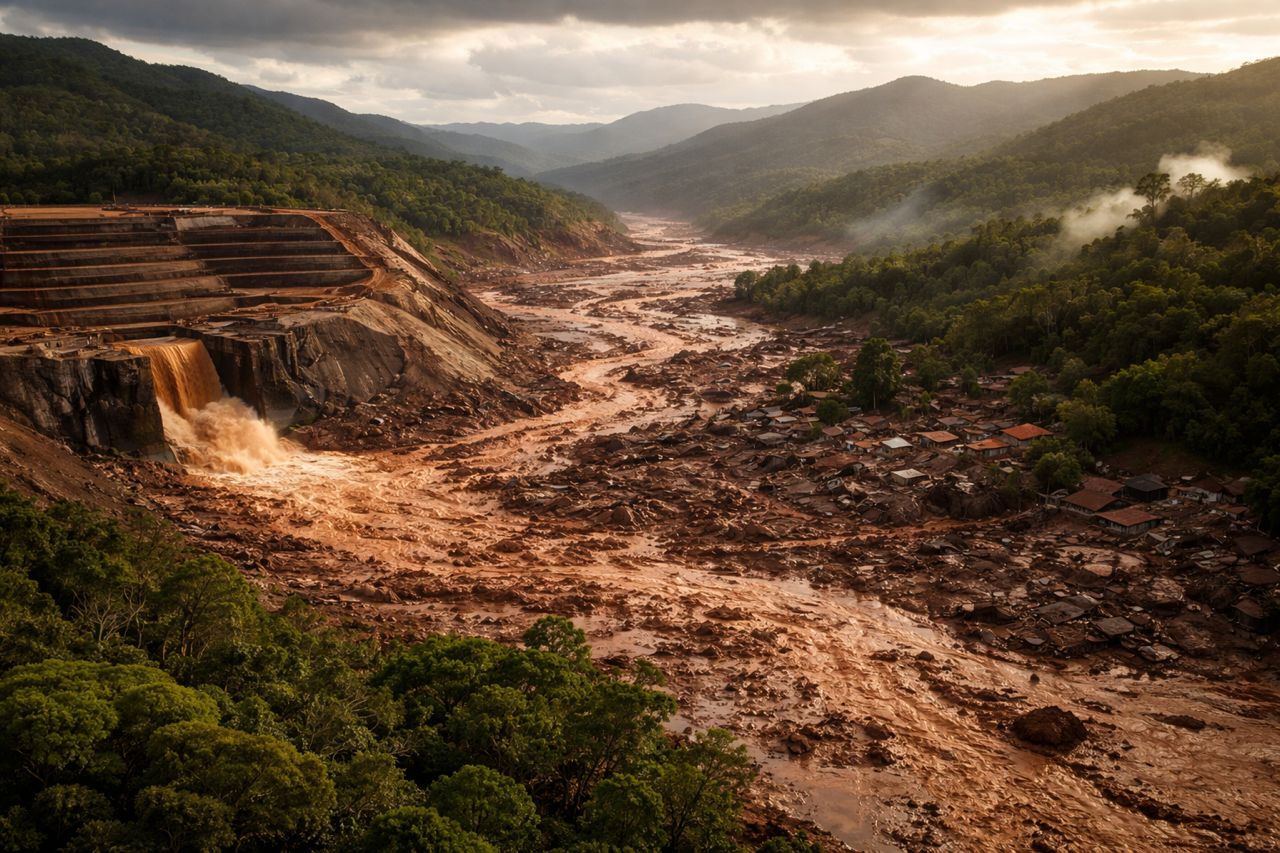
The Fundao dam collapsed in 2015, releasing a flood of hazardous sludge across southeastern Brazil.
Nineteen people were killed, many were left homeless, forests were inundated, and pollutants were spilt across the Doce River.
The disaster impacted hundreds of thousands of Brazilians, dozens of municipalities, and approximately 2,000 enterprises.
Those groups and individuals later filed the London action against BHP, claiming that the firm was responsible because of its involvement in the Samarco joint venture.
Judge Finola O’Farrell ruled last year that BHP should not have proceeded to raise the dam’s height, a decision she blamed for the dam’s collapse.
This finding supported the court’s decision to hold BHP accountable for the disaster’s repercussions.
As the legal struggle continues, the rejection to grant permission to appeal maintains the November verdict, leaving BHP with a lengthy and probably costly journey through the English courts.
The post BHP blocked from appealing UK ruling on Brazil dam disaster liability appeared first on Invezz